
Healthcare Communication: Achieving Fluency for Global Interviews


The Importance of Effective Healthcare Communication
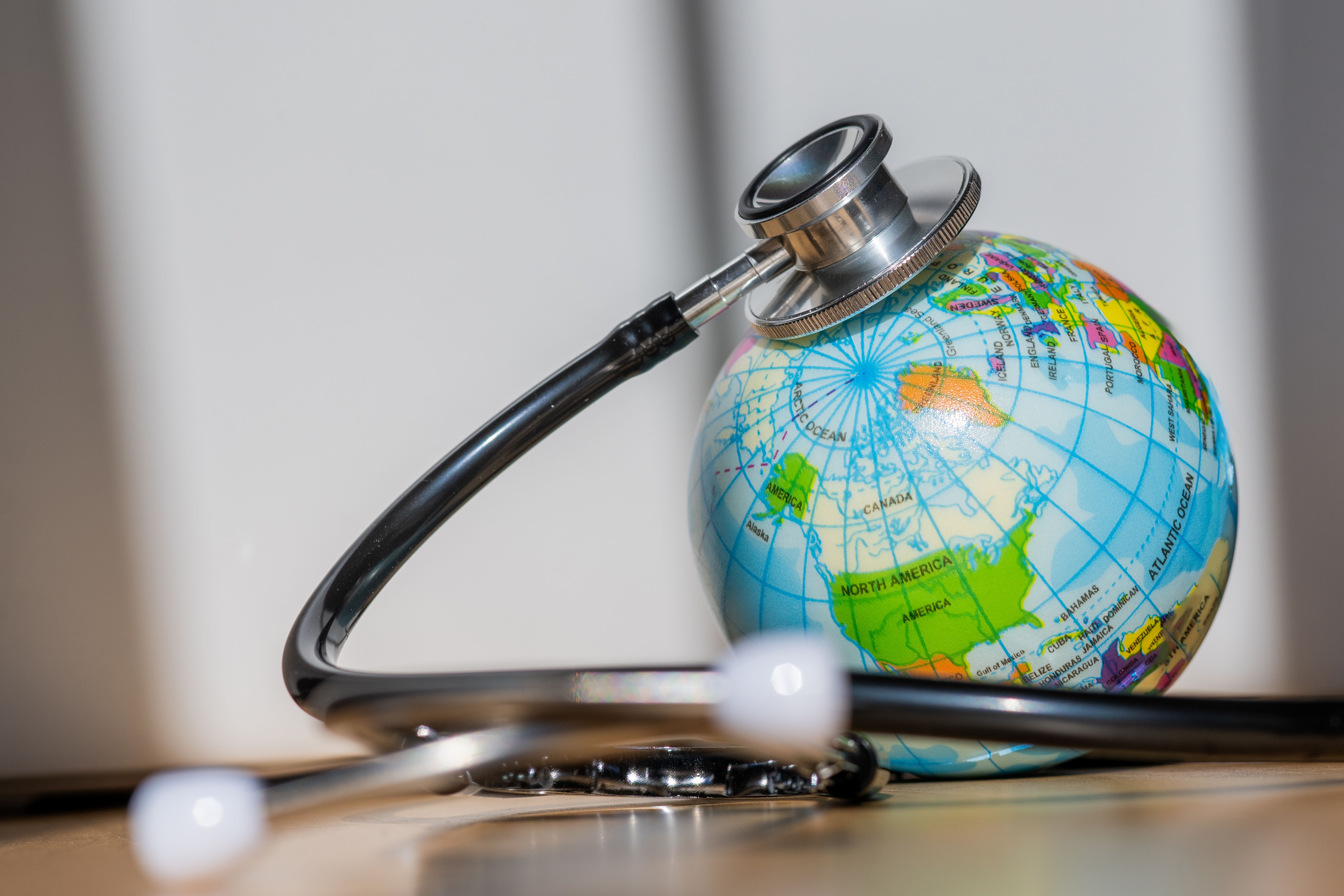
In the realm of healthcare, communication is not just about exchanging information; it's about building a bridge of understanding between diverse cultures and languages. As healthcare becomes increasingly global, achieving fluency in communication is crucial for conducting successful interviews and interactions.
Effective communication ensures that healthcare professionals can convey critical information clearly and empathetically. This is particularly important in interviews, where understanding nuances and cultural contexts can significantly impact outcomes.

Challenges in Global Healthcare Communication
Despite its importance, achieving fluency in healthcare communication is fraught with challenges. Language barriers, cultural differences, and varying levels of health literacy can complicate interactions. These barriers can lead to misunderstandings that affect patient care and outcomes.
To overcome these challenges, healthcare professionals must develop a deep understanding of cultural sensitivities and linguistic nuances. This involves not only learning a language but also embracing cultural contexts and non-verbal communication cues.
Strategies for Achieving Fluency
To navigate the complexities of global healthcare communication, professionals can adopt several strategies:
- Invest in Language Training: Continuous language education helps in understanding medical terminologies and cultural nuances.
- Cultural Competency Workshops: These workshops can provide insights into different cultural practices and beliefs.
- Utilize Translators and Interpreters: Professional interpreters can bridge language gaps during critical interactions.
Leveraging Technology in Communication
Technology plays a vital role in enhancing healthcare communication. Tools such as translation apps and telemedicine platforms enable real-time interaction across languages and distances. These tools can be particularly useful in remote areas where access to healthcare professionals is limited.
Moreover, digital platforms can facilitate the sharing of medical records and information, ensuring that all parties involved in patient care are on the same page. This integration of technology supports a more seamless and effective communication process.
The Role of Empathy in Communication
While technology and language skills are essential, empathy remains at the heart of effective communication. Understanding and addressing the emotions and concerns of patients and colleagues can foster trust and cooperation.
Empathy allows healthcare professionals to connect with patients on a personal level, ensuring that their needs and preferences are respected. This emotional intelligence is crucial in interviews, where sensitive topics may be discussed.

Conclusion: Building a Global Communication Framework
In conclusion, achieving fluency in healthcare communication is a multifaceted endeavor that requires linguistic skills, cultural understanding, and technological support. By prioritizing these elements, healthcare professionals can enhance their ability to conduct global interviews effectively.
As the world becomes more interconnected, the importance of effective communication in healthcare will only grow. By embracing these strategies, professionals can ensure that they are prepared to meet the challenges of global healthcare communication head-on.