
Five Common Mistakes in Professional English and How to Avoid Them


Introduction
Mastering professional English is crucial for effective communication in the business world. However, even seasoned professionals can make errors that undermine their credibility. In this post, we’ll explore five common mistakes and how to avoid them.
Overuse of Jargon
While industry-specific jargon can sometimes be useful, overusing it can alienate your audience. It's essential to balance technical terms with clear, straightforward language. This ensures your message is accessible to everyone.
Tip: When in doubt, opt for plain language and explain any necessary jargon.

Incorrect Use of Apostrophes
Apostrophes are often misused in professional writing. They should only be used to indicate possession or in contractions. Misplacing apostrophes can change the meaning of your sentence and reflect poorly on your attention to detail.
Example: "It's" means "it is," while "its" is possessive. Double-check apostrophes to ensure correct usage.
Confusing Homophones
Homophones are words that sound alike but have different meanings and spellings, such as "their," "there," and "they're." Misusing them can lead to confusion and misinterpretation.
Solution: Always proofread your work or use grammar-checking tools to catch these errors.
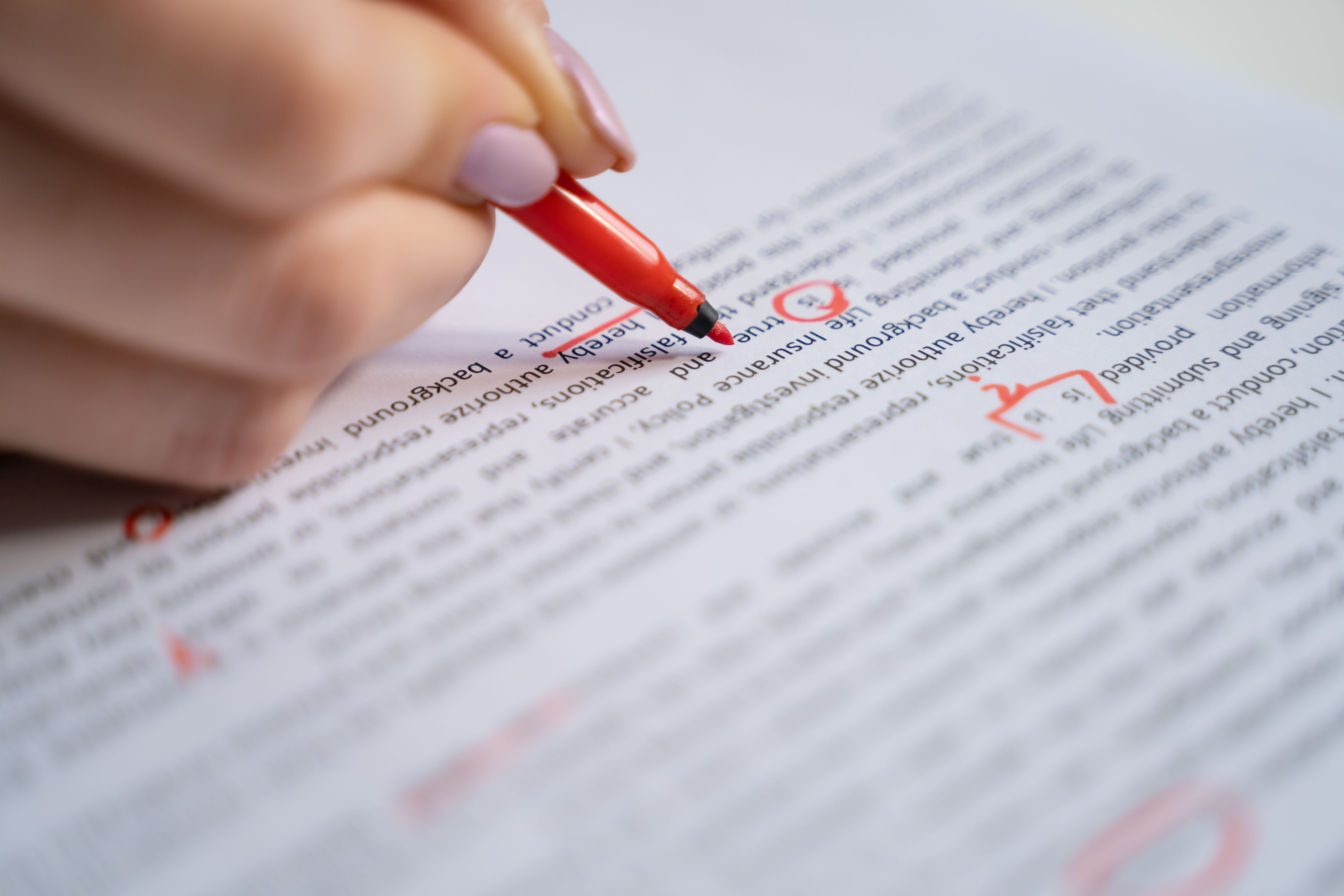
Wordiness
Professional writing should be concise. Wordiness can dilute your message and make it harder for readers to grasp your main points. Aim for clarity by using simple and direct language.
- Remove redundant words.
- Use active voice instead of passive voice.
- Eliminate filler phrases like "in order to" or "due to the fact that."
Neglecting Tone
The tone of your writing sets the mood and influences how your message is received. A too formal tone can come across as cold, while a too casual tone may appear unprofessional.
Advice: Tailor your tone to your audience and the context of your communication. Strive for a balance that reflects professionalism while remaining engaging.

Conclusion
Avoiding these common mistakes can enhance the clarity and professionalism of your writing. By paying attention to language use, you can improve communication and make a stronger impression in your professional interactions.
Remember, effective communication is a skill that can be developed with practice and attention to detail.